Smartwatch Integration and Its Effects on Mobile Roulette Player Behavior in Regulated Areas
Dana Schmitz · Oct 17, 2026
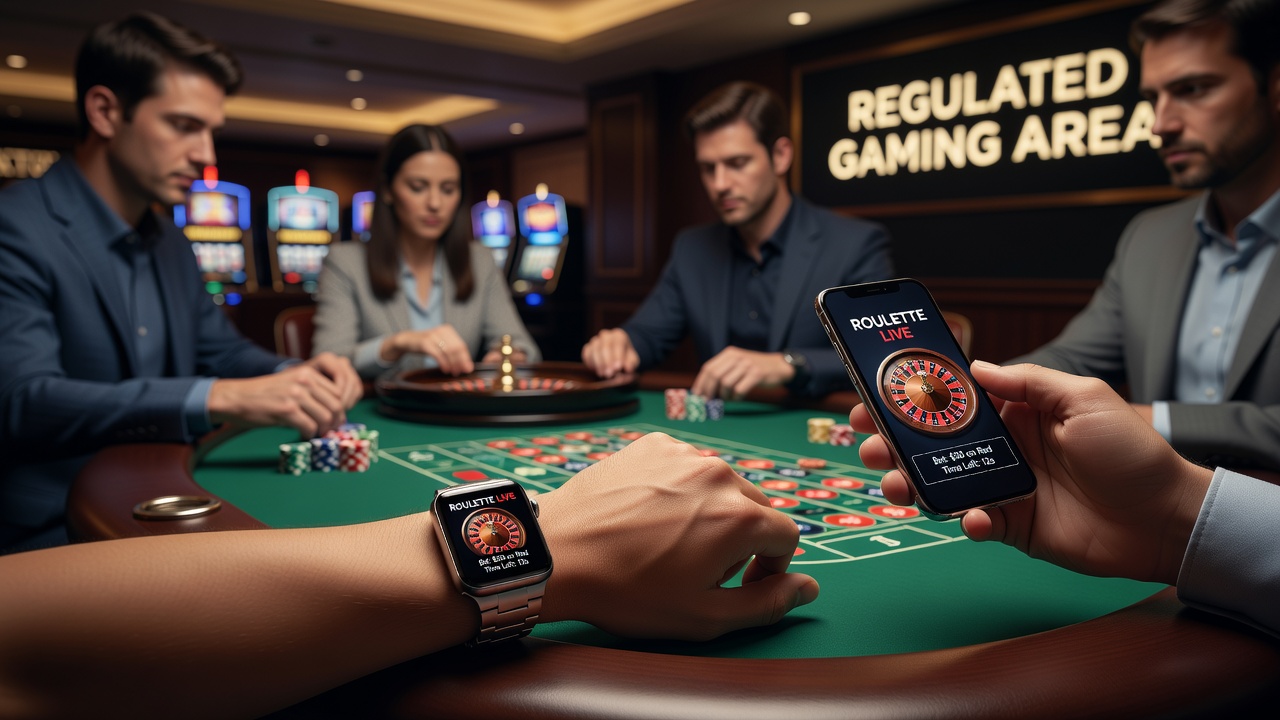
Smartwatch Integration and Its Effects on Mobile Roulette Player Behavior in Regulated Areas
Smartwatch integration with mobile roulette platforms has expanded steadily across regulated markets, where device connectivity allows players to receive instant notifications, place wagers, and monitor game outcomes without relying solely on smartphone screens, and this shift coincides with broader adoption of wearable technology in gaming applications throughout 2026.
Connectivity Features Driving Player Engagement
Developers have incorporated wrist-based interfaces that sync with licensed mobile roulette apps, enabling users to confirm bets, view wheel results, and adjust stakes through simple gestures or taps, while regulatory frameworks in regions such as New Jersey and parts of Europe require geofencing and identity verification that these devices must satisfy before processing any transactions.
Observers note that integration often includes haptic feedback for significant events like wins or bonus triggers, and data from platform analytics shows session durations increasing when players maintain continuous connection via smartwatches rather than switching between multiple devices.
Observed Shifts in Player Behavior Patterns
Studies conducted by research institutions tracking user activity in controlled environments reveal that smartwatch users tend to initiate more frequent but shorter betting sequences, because the always-available interface reduces friction associated with unlocking phones or navigating menus, and this pattern appears consistent in markets where operators must comply with strict responsible gaming standards.
Figures released in October 2026 from industry monitoring groups indicate a measurable uptick in micro-session activity during commuting hours or brief breaks, whereas traditional mobile-only play clusters more heavily around evening periods, and experts attribute the difference to the discreet nature of wrist notifications that avoid drawing attention in public settings.
Regulatory Compliance and Location-Based Controls
Regulated areas enforce location verification protocols that extend to wearable devices, requiring apps to confirm player positions through paired smartphone GPS before allowing roulette wagers, and this setup prevents unauthorized play while still supporting seamless transitions between home, transit, and venue environments.
One study revealed that compliance logging on smartwatches helps operators maintain detailed records of session starts and stops, which supports audit requirements from bodies like the Nevada Gaming Control Board, and the same systems often incorporate time-limit reminders that display directly on the wrist to align with jurisdiction-specific player protection rules.

Data Insights from Recent Monitoring Reports
Analytics compiled across multiple operators show that smartwatch-linked accounts generate higher volumes of low-stake roulette spins per active day, yet overall expenditure per player remains comparable to smartphone-only cohorts when measured over monthly intervals, and researchers link this to the convenience factor that encourages incremental play rather than concentrated high-volume sessions.
According to findings shared by academic groups examining digital gambling trends, integration with wearables correlates with earlier detection of extended play patterns because real-time alerts reach users even when phones remain stored, and this visibility assists both players and operators in applying voluntary limits more effectively within regulated frameworks.
Technical Integration Challenges Across Markets
Platform providers face ongoing requirements to maintain consistent security standards when extending functionality to smartwatches, including encrypted data streams and biometric authentication options that many devices already support, while differences in operating systems create variations in how quickly new features reach players in different jurisdictions.
Those who've examined adoption rates note that regions with mature mobile gaming regulations experience faster rollout of smartwatch features, because existing licensing processes accommodate the additional device layer without requiring entirely new approvals, and this acceleration allows operators to test behavioral impacts under controlled conditions before wider deployment.
Conclusion
Smartwatch integration continues to shape mobile roulette interactions in regulated areas through enhanced connectivity and location-aware controls, with available data pointing to distinct behavioral adjustments in session frequency and timing that operators monitor closely to meet compliance obligations. Continued observation through established regulatory channels and research partnerships will clarify long-term effects as adoption grows.